
A sudden change in your vision can be alarming. If you notice floaters, flashes of light, or a dark shadow spreading across your field of vision, you might wonder whether it is serious or if you could have a detached retina. Your Macon eye care team wants you to know what to watch for and to seek prompt care if you suspect a problem.
What Is a Detached Retina and Why It Matters
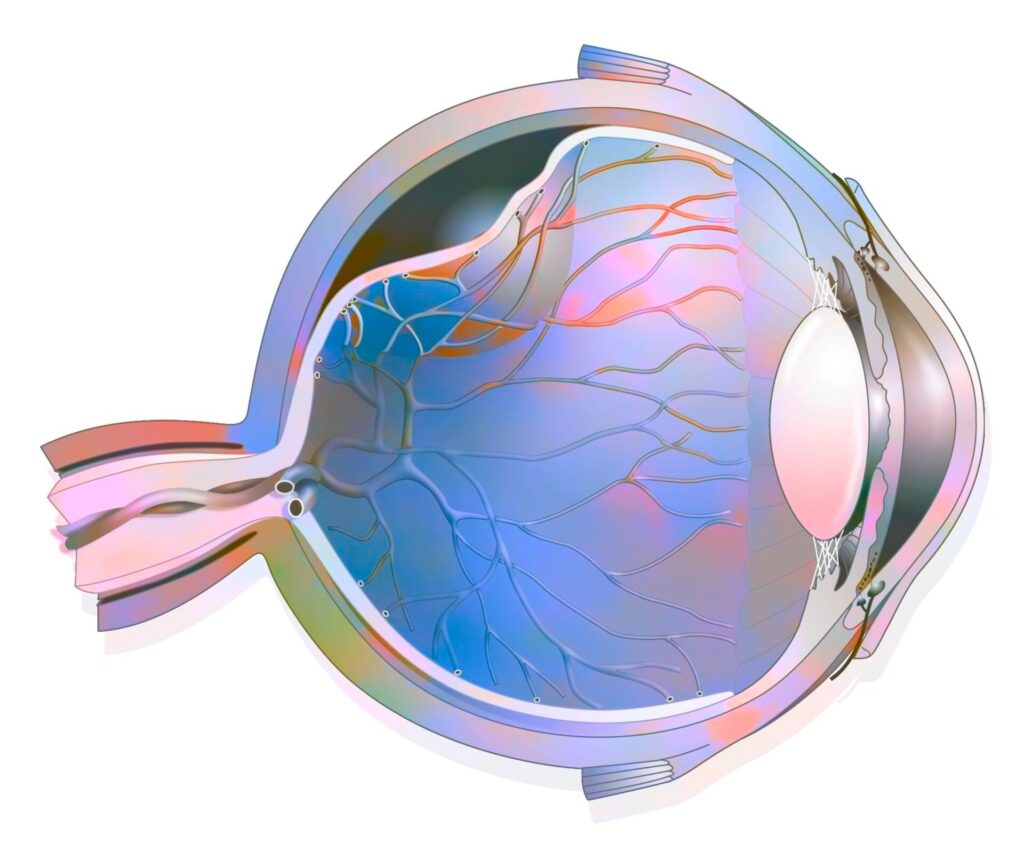
A detached retina happens when the thin, light-sensitive tissue at the back of the eye, called the retina, separates from the layer of blood vessels that normally nourish it.
When the retina is detached, it loses its supply of oxygen and nutrients. Without treatment, the cells of the retina may be damaged or die, resulting in permanent vision loss.
Because a detached retina can lead to severe vision problems, it is considered a medical emergency. Prompt treatment offers the best chance of preserving vision.
There are different types of retinal detachment:
- Rhegmatogenous detachment is the most common. A small tear or break in the retina allows gel-like fluid from inside the eye, called the vitreous, to slip under the retina and lift it away from its supportive tissue.
- Tractional detachment occurs when scar tissue or abnormal tissue on the surface of the retina pulls it away. This type is often linked to long-term conditions such as uncontrolled diabetes.
- Exudative detachment happens when fluid accumulates under the retina without a tear. This issue can result from inflammation, tumors, or other disorders.
Any suspected retinal detachment requires immediate evaluation by an eye care professional.
Symptoms That May Signal a Detached Retina
Symptoms of a detached retina can appear suddenly or progress over a short period. These are the most common warning signs:
- A sudden increase in floaters. Floaters are dark spots, specks, lines, or cobweb-like shapes drifting through your field of vision. Some floaters are normal, but a sudden increase or a rapid rise in their number may indicate a problem.
- Brief but noticeable flashes of light, often in peripheral vision. These flashes can appear even when your eyes are closed, especially in low light.
- A shadow or a curtain-like effect over part of your vision. This effect usually starts at the edges of your vision and may progress inward.
- Blurred or distorted vision. Straight lines may appear wavy or bent. Central vision can be affected if the detachment involves the macula, which is the central part of the retina.
- Sudden loss of side vision or a dark shadow in your vision field.
It is essential to know that a detached retina often does not cause pain. As a result, some people may overlook the issue. A lack of pain does not mean the situation is minor.
Because symptoms can develop quickly and worsen, any warning sign should be treated seriously.
Who Is at Higher Risk for a Detached Retina
Certain factors increase the likelihood of retinal detachment:
- People 40 and up are more prone, and the risk rises as you get older.
- Significant nearsightedness. Highly nearsighted eyes are more prone to retinal thinning or pulling.
- Previous eye surgery, including cataract surgery.
- Prior eye injury or trauma.
- Family history of retinal detachment.
- Diseases affecting the retina or blood vessels, including poorly controlled diabetes or other retinal conditions.
If you fall into one or more of these categories, your Macon eye doctor may recommend more frequent eye exams, especially if you notice symptoms.
What to Do If You Suspect a Detached Retina
If you notice floaters, flashes of light, shadows, or sudden changes in vision, take action immediately:
- Do not ignore the symptoms. Contact your eye care provider or visit an emergency eye clinic. Retinal detachment is time-sensitive.
- Avoid rubbing your eye or engaging in activities that involve heavy lifting, bending, or strenuous exercise, as these can jostle your eye.
- Seek a professional examination. Your doctor will perform a dilated eye exam to carefully inspect the retina.
Your eye care provider may use imaging tests, such as ultrasound or optical coherence tomography, to view the retina more precisely and assess the extent of the detachment.
If a tear, hole, or detachment is confirmed, prompt treatment dramatically improves the chances of saving and restoring vision.
How a Detached Retina Is Treated
Treatment depends on the size and location of the detachment. Common options include:
Laser therapy
Also known as cryopexy, laser therapy is used to treat small retinal tears or breaks before the retina detaches fully. A laser or freezing probe creates a scar around the tear, sealing the edges and preventing fluid from seeping behind the retina.
Pneumatic retinopexy
This procedure involves injecting a small gas bubble into the eye. The bubble presses the retina back into its proper position. Laser or cryopexy may be used to seal the tear. Recovery requires keeping your head in a specific position until the retina reattaches.
Scleral buckle surgery
Buckle surgery uses a small silicone band placed around the outside of the eyeball. The band relieves traction on the retina and helps it reattach. This procedure is often combined with laser or freezing treatment.
Vitrectomy
Used when scar tissue or vitreous gel is pulling on the retina, vitrectomy involves the doctor removing the gel and replaces it with fluid or gas. The retina is then repositioned and reattached.
Most patients who receive timely treatment recover successfully. Outcomes depend on how quickly treatment begins, the extent of the retina detachment, and whether the macula is involved. Vision recovery is usually better when the macula is still attached at the time of surgery.
Even after successful repair, follow-up visits are essential. Some patients may require a second treatment or surgery, or a detachment may occur in the other eye.
What to Expect After Treatment
Vision may return gradually over weeks or months. Full recovery depends on how quickly treatment begins, the method used, and the overall health of the eye.
Patients may need updated eyeglass or contact lens prescriptions. Adjustments in lighting or living spaces may also enhance functionality and safety, especially if peripheral vision remains impaired. High-risk patients, such as those with diabetes, previous eye injuries, or detachments in the other eye, need regular monitoring.
Working closely with your Macon eye care team ensures proper healing and reduces the risk of further complications.
Preventive Steps and Regular Eye Care
While not all retinal detachments can be prevented, you can reduce risk and catch problems early by:
- Getting regular dilated eye exams, especially if you are highly nearsighted, over 40, have diabetes, or have a history of eye surgery or trauma. Early detection allows treatment before a detachment occurs.
- Wearing protective eyewear when working around hazards, playing contact sports, doing yard work, or using tools.
- Treating eye problems promptly. Untreated inflammation, infections, or retinal conditions, such as diabetic retinopathy, increase the risk of detachment.
- Managing chronic health conditions such as diabetes and high blood pressure to protect retinal health.
A detached retina is serious. It can threaten your vision even without causing pain. If you notice floaters, flashes, shadows, or a curtain-like effect in your vision, act immediately. Delaying care can reduce your chances of restoring sight.
If you notice warning signs, contact your Macon eye care provider or visit the emergency room promptly. Early diagnosis and treatment offer the best opportunity to preserve your vision. We are here to guide, support, and protect your eye health whenever you need us.
Your eyes deserve immediate attention when they send warning signs. Pay attention to what they are telling you.
Seeing Symptoms of a Retinal Detachment? Talk to Your Macon Eye Doctor at Eyesight Associates!
If you are experiencing a detached retina, you need to see an eye doctor ASAP. Call 478-923-5872 to talk with an eyecare specialist.
Related Articles: